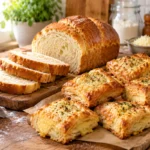

The best bread and pastry recipes can make any occasion more special. From soft homemade bread for breakfast to flaky cheese pastries for parties, fresh baking brings delicious flavors and warmth to the table. You do not need to be a professional baker to prepare these treats. With simple ingredients, clear instructions, and a little patience, you can make tasty baked goods at home.
Bread is perfect for everyday meals, sandwiches, and family dinners. Pastries are wonderful for afternoon tea, celebrations, picnics, and quick snacks. You can also change the ingredients to create different flavors according to your taste.
In this guide, you will discover two easy recipes: soft homemade bread and golden cheese puff pastries. Both recipes are beginner-friendly and include ingredient quantities, preparation time, baking temperature, and helpful tips for better results.
Why Try These Bread and Pastry Recipes?
Homemade baking gives you control over the ingredients and flavors. You can choose the amount of salt, add your favorite herbs, or use different fillings to suit your family.
Another benefit is that many baking ingredients are already available in most kitchens. Flour, yeast, sugar, salt, oil, and cheese can be used in several recipes, making homemade baking convenient and affordable.
These bread and pastry recipes are also flexible enough for different occasions. Serve fresh bread with breakfast, use it for sandwiches at lunchtime, or prepare cheese pastries when guests visit. Once you learn the basic methods, you can experiment with new shapes and flavors.
Recipe 1: Soft Homemade Bread
Soft homemade bread is a useful recipe for every kitchen. It has a golden crust, a fluffy inside, and a mild taste that pairs well with sweet and savory foods. Enjoy it with butter and jam, make sandwiches, or serve it with soup.
Ingredients
- 3 cups all-purpose flour (about 375 g)
- 1 cup warm water (240 ml)
- 2 teaspoons instant yeast
- 2 tablespoons sugar
- 1 teaspoon salt
- 2 tablespoons cooking oil or melted butter
Recipe Details
- Prep time: 20 minutes
- Rising time: 1 hour to 1 hour 15 minutes
- Bake time: 25–30 minutes
- Temperature: 375°F (190°C)
- Servings: 8–10 slices
Method
Step 1: Mix the yeast and water
Pour the warm water into a large mixing bowl. Add the sugar and instant yeast, then stir gently. If you are using active dry yeast instead of instant yeast, allow the mixture to stand for 5–10 minutes until foamy. The water should be warm rather than hot.
Step 2: Add the dry ingredients
Add the flour, salt, and oil or melted butter. Mix everything with a spoon until a rough dough forms. If the dough feels too dry, add a little water. If it is very sticky, sprinkle in a small amount of flour.
Step 3: Knead the dough
Transfer the dough to a lightly floured surface. Knead for about 8–10 minutes until smooth and elastic. Proper kneading helps develop the gluten, which gives the bread its structure and soft texture.
Step 4: Let the dough rise
Place the dough in a lightly oiled bowl and cover it with a clean kitchen towel. Leave it in a warm place for around one hour, or until it doubles in size. The exact time depends on your kitchen temperature.
Step 5: Shape the loaf
Gently press the dough to remove large air bubbles. Shape it into a loaf and place it in a greased loaf pan. Cover it again and leave it to rise for another 20–30 minutes.
Step 6: Bake the bread
Preheat your oven to 375°F (190°C). Bake for 25–30 minutes, until the top is golden brown. The bread should sound hollow when tapped gently. If you have a food thermometer, the center should reach approximately 190–200°F (88–93°C).
Step 7: Cool and serve
Remove the loaf from the oven and let it rest in the pan for a few minutes. Transfer it to a cooling rack and allow it to cool before slicing. Serve with your favorite toppings or use it to make sandwiches.
Tips for Better Homemade Bread
- Measure the flour carefully so the loaf does not become heavy.
- Never use very hot water because it can damage the yeast.
- Knead until the dough feels smooth and elastic.
- Give the dough enough time to rise before baking.
- Avoid cutting the loaf while it is very hot.
- Store completely cooled bread in an airtight bag for around 2–3 days at room temperature.
Recipe 2: Golden Cheese Puff Pastries
Cheese puff pastries are ideal when you need a tasty snack for guests or family. They have crisp, flaky layers and a flavorful cheese filling. Ready-made puff pastry makes this recipe easier because you do not need to prepare pastry dough from scratch.
These pastries work well for breakfast, afternoon tea, birthday parties, and casual gatherings. Serve them warm with tomato sauce, chutney, or your favorite dip.
Ingredients
- 1 sheet ready-made puff pastry (about 250–300 g), thawed
- 1 cup shredded cheddar or mozzarella cheese (about 100–120 g)
- 2 tablespoons finely chopped spring onions (optional)
- ½ teaspoon dried mixed herbs
- ¼ teaspoon black pepper
- 1 egg, beaten, for brushing
- 1 tablespoon sesame seeds (optional)
Recipe Details
- Prep time: 15 minutes
- Bake time: 18–22 minutes
- Temperature: 400°F (200°C), or according to the pastry package
- Servings: 8 small pastries
Method
Step 1: Preheat the oven
Preheat the oven to 400°F (200°C). Line a baking tray with baking paper. Make sure the puff pastry has thawed but remains cool enough to handle.
Step 2: Prepare the filling
Place the shredded cheese in a bowl. Add the spring onions, mixed herbs, and black pepper. Mix well. Cheddar gives a stronger flavor, while mozzarella creates a softer, stretchy filling.
Step 3: Cut the pastry
Place the pastry sheet on a lightly floured surface. Cut it into eight equal squares. Keeping the squares similar in size helps them bake evenly.
Step 4: Fill each square
Place a small amount of the cheese mixture in the center of each square. Avoid adding too much filling because it can leak during baking.
Step 5: Fold and seal
Fold each square into a triangle or rectangle. Press the edges together with your fingers, then use a fork to seal them. Make sure the edges are closed firmly.
Step 6: Brush with egg
Arrange the pastries on the prepared tray, leaving some space between them. Brush the tops with beaten egg and add sesame seeds if desired.
Step 7: Bake until golden
Bake for 18–22 minutes, or until the pastries have puffed up and become golden brown. Check them near the end because ovens may bake at different speeds.
Step 8: Cool and serve
Remove the pastries from the oven and allow them to cool for a few minutes. The cheese filling can be very hot inside. Serve warm for the best flavor and texture.
Tips for Crispy Cheese Pastries
- Keep puff pastry cool while preparing it.
- Do not overfill the pastry squares.
- Seal the edges properly to help prevent the filling from escaping.
- Preheat the oven fully before baking.
- Avoid opening the oven door too often.
- Reheat leftovers in the oven to help restore their crispness.
Bread and Pastry Ideas for Different Occasions
Different occasions call for different baked treats. For a simple family breakfast, serve homemade bread with eggs, butter, jam, or cheese. Fresh bread can also be sliced for sandwiches to take to work or school.
For afternoon tea, cheese puff pastries are an excellent choice. You can make smaller pieces for guests or prepare a few different fillings to offer more variety. Spinach and cheese, seasoned potatoes, and finely chopped vegetables are useful savory options.
For parties, arrange pastries on a serving plate and pair them with a selection of dips. If you want a sweeter treat, try separate pastry recipes with apple and cinnamon or chocolate filling. Use suitable recipes and avoid overly wet fillings that may make the pastry soggy.
Planning ahead can make baking easier. Prepare fillings before assembling the pastries, measure your bread ingredients in advance, and make sure your oven is ready before baking.
Common Baking Mistakes to Avoid
One common mistake when making bread is adding too much flour. Extra flour can make the dough stiff and produce a dense loaf. Add flour gradually and aim for a soft dough that is slightly tacky.
Another mistake is rushing the rising process. Yeast needs enough time to help the dough expand. If your kitchen is cool, the dough may take longer to rise, so pay attention to its size rather than following the clock alone.
With puff pastries, warm dough can become difficult to handle and may not rise as well. Keep it cool and place the prepared pastries in the oven promptly. Also, avoid using too much filling, as it may escape from the edges.
Finally, remember that oven temperatures can vary. Check your baked goods near the end of the recommended baking time and look for a golden crust and a properly baked center.
Frequently Asked Questions
What are the best bread and pastry recipes for beginners?
Soft homemade bread and cheese puff pastries are good starting points. Bread helps you learn mixing, kneading, and rising, while ready-made puff pastry makes pastry preparation quicker and easier.
Why does my homemade bread become dense?
Bread may become dense if you add too much flour, use inactive yeast, knead the dough poorly, or allow too little rising time. Measure ingredients carefully and let the dough rise until it has expanded properly.
Can I prepare bread and pastries ahead of time?
Yes. Bread dough can be refrigerated for a slower rise when covered properly. Cheese pastries can be assembled in advance and refrigerated briefly before baking. Keep the pastry cool and follow the package instructions.
How should I store homemade bread and pastries?
Store cooled bread in an airtight bag at room temperature for around 2–3 days. Refrigerate leftover cheese pastries and use them within about 3–4 days. Reheat pastries in the oven for a crispier texture. Bread slices can also be frozen for longer storage.
Final Thoughts
The best bread and pastry recipes do not need complicated ingredients or advanced baking skills. With these two easy recipes, you can prepare soft homemade bread for everyday meals and golden cheese pastries for snacks, parties, and family gatherings Best Bread and Pastry Recipes.
Follow the measurements, allow enough time for the dough to rise, and keep an eye on your oven while baking. As you become more confident, try different herbs, fillings, and shapes to create treats that suit every occasion.
Soft Vanilla Cupcakes | Easy Buttercream Frosting Recipe
BBC Good Food – Baking Recipes